New Membership Pricing & Thank You Gifts

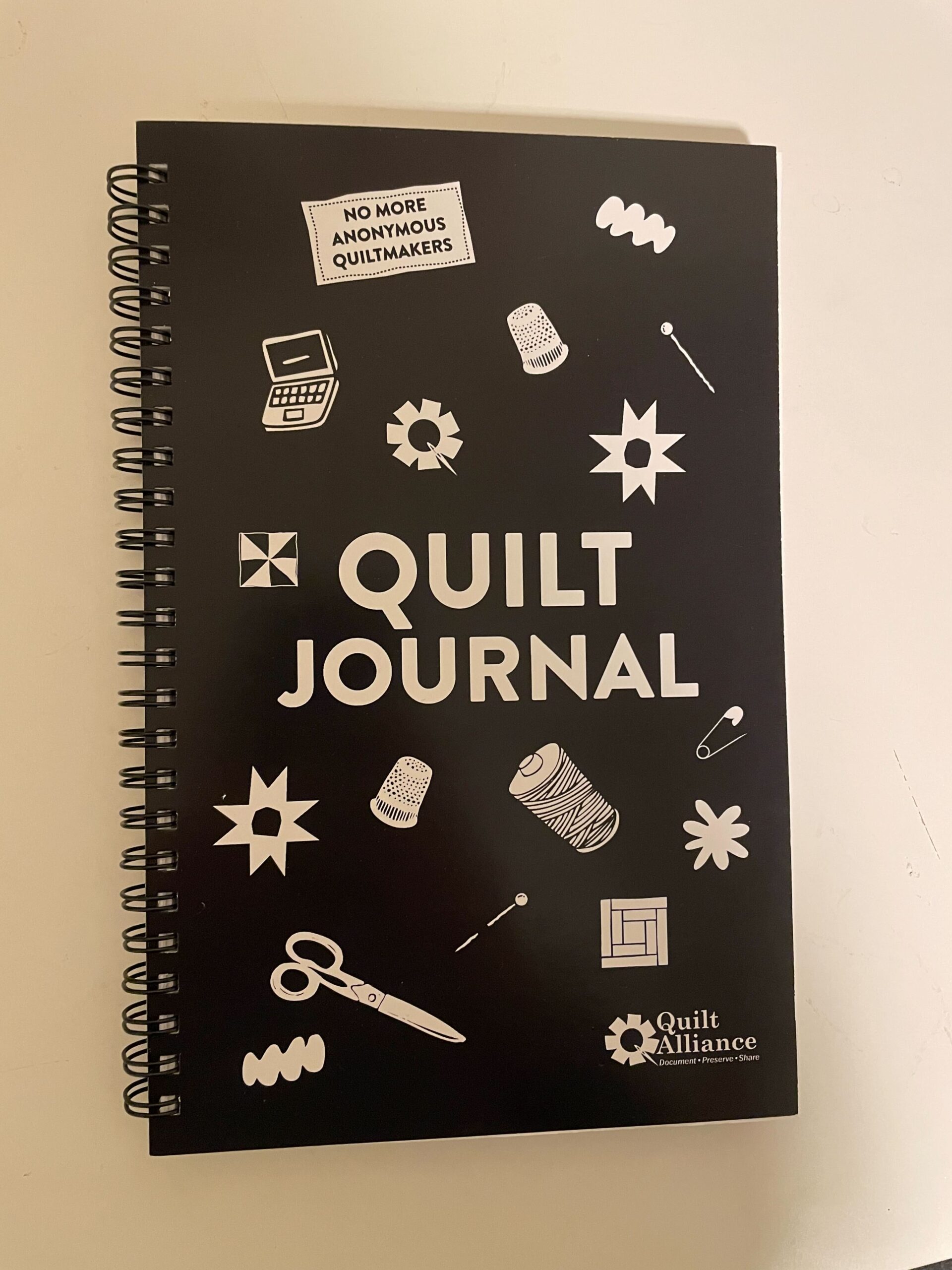
Beginning April 1, 2025, Quilt Alliance membership fees went up $5/level/year. This modest increase will allow us to keep up with rising operating costs. Begin or renew your membership here. We have some fabulous new thank-you gifts to offer all new members and members who renew at a higher level. And all members will benefit from new downloadable versions of the Quilt Journal and the 14 Ways to Label a Quilt Fat Quarter now available in your member portal under Guides & Documents. You can also purchase the fat quarter directly from Spoonflower. New thank-you gifts were selected to support your quilt documentation routine. 
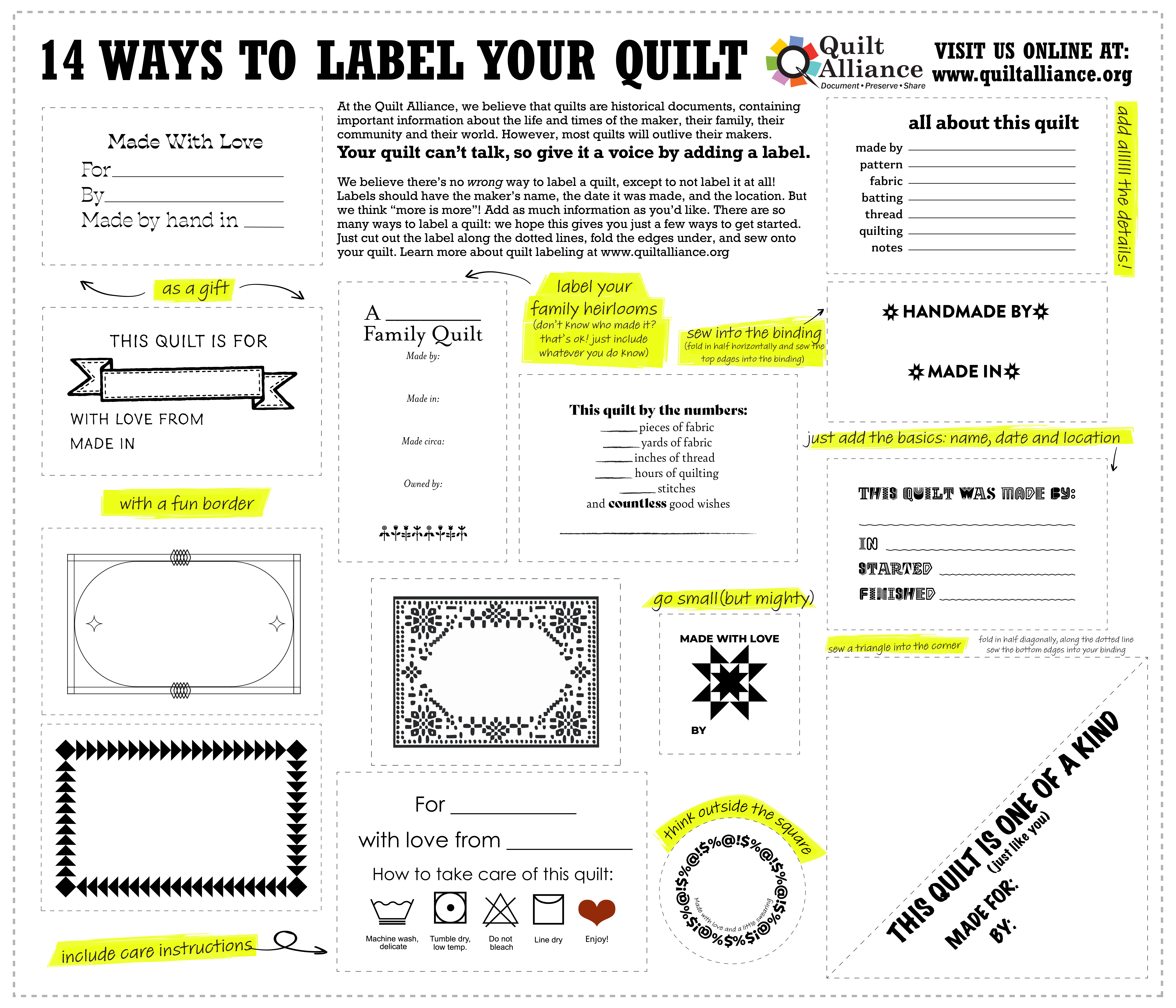
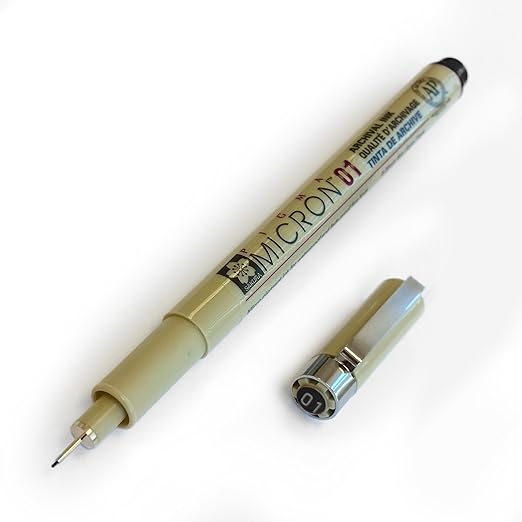
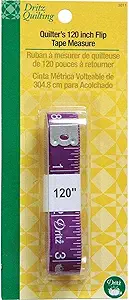
Individual Membership Levels and Thank-you gifts* Student ($25): Quilt Label Fat Quarter, Quilt Journal (digital version) Friend ($35): Quilt Label Fat Quarter, Quilt Journal (digital version) Album ($65): add Quilt Journal printed version to all items above Sunburst ($95): add Documentation Kit (zippered pouch with 120″ measuring tape and Micron pen) to all items above Signature ($155): add QA bandana to all items above   Affiliate Discount ($35 off): a discount program for QA Group/Guild members. A coupon code is supplied to groups/guilds when they join to share with members who want to register for their own individual QA membership at a free/discounted rate.  *Thank you gifts apply to new members. Members who renew at the same level can opt to receive a QA Label Fat Quarter. Members who renew at a higher level receive the benefits for that new level. Affiliate discounts used for the Friendship level are virtual only. Thank you for helping us make the most of your support!
[et_pb_image src=”https://quiltalliance.org/wp-content/uploads/2025/02/QA-bandana-scaled.jpg” title_text=”QA bandana” show_in_lightbox=”on” _builder_version=”4.27.4″ _module_preset=”default”…

Respite by Suzanne Porcella Byrd

RespiteSuzanne Porcella Byrd200916″x16″Honorable Mention Award, Quilt Alliance Crazy for Quilts Contest  Materials: Cotton fabric, machine pieced and quilted, muslin batting, jonestones metallic paint and a pin from “California Milk”. Decorative stitching done on a Bernina. Design from strip piecing technique with appliqued flowers. Artist’s Statement: Sometimes life just seems to be overwhelming. Being pulled in so many different directions by family, friends, pets, jobs, autos and household appliances that keep breaking down, yard work, etc. can all leave little time for entering a quilt contest! But, I managed to get one done and realized that it gave to me a little bit of rest and complete satisfaction and I realized the importance of taking a break from daily challenges.
[et_pb_image src=”https://quiltalliance.org/wp-content/uploads/2025/02/46_SuzanneByrd.jpg” title_text=”46_SuzanneByrd” _builder_version=”4.27.4″ _module_preset=”default”…

Remembering Bernie Herman

The Quilt Alliance is sad to learn of the passing of Bernard L. Herman, professor, writer, folklorist, and early Quilt Alliance board member. Bernie was one of the first champions of the Quilt Alliance (then called the Alliance for American Quilts) and served on the task force that developed the Quilters’ Save Our Stories (QSOS) project in 1999, animated by the question ‘if this quilt could talk, what would it say?’.  Georgia Bonesteel, interviewer Karen Musgrave, and Bernie Herman at a QSOS training, 1999 Bernie conducted some of the earliest QSOS interviews, including Jean Ray Laury, Ellen Danforth, and Valerie Goodwin. He also conducted more than 30 research interviews with quilters in Gee’s Bend, Alabama, for his ongoing writing about the quiltmaking tradition in the area, including an essay in the book Gee’s Bend: The Architecture of the Quilt that accompanied the groundbreaking exhibit at the Museum of Fine Arts, Houston. Listen to Bernie’s thoughtful 2006 interview with Jette Clover here. Bernie was endlessly curious about things, whether it was cataloging his fig library, championing quilts and their makers, or rebuilding the oyster population near his family home on the Eastern Shore of Virginia. Bernie photographing quiltmaker Darlene Christopherson for her QSOS interview, 2000 Bernie’s death is a loss for the folklore, material culture and foodways academic communities, but it is also a personal one. I met Bernie in 2009, when I was an undergraduate student at UNC-Chapel Hill. I had signed up for a class called ‘Visual Culture’ on a whim – it covered everything from birthday cakes to Brazilian graffiti, with a healthy dose of critical theory and jargon. Honestly, I wasn’t sure what he was talking about half the time, but I loved it. I’d never considered that ordinary things could deserve such thoughtful analysis. The fourth week of class was dedicated to quilts, spotlighting the Sunbonnet Sue pattern and the satirical quilt ‘The Sun Sets on Sunbonnet Sue’. When he offered a class the following semester called “The Art of the Quilt”, I signed up. I was hooked on quilts, making my very first quilt in lieu of a term paper for the class. Bernie suggested I look into an organization he was part of – the Quilt Alliance – as I conducted research for my senior thesis about contemporary quiltmaking.  Fifteen years later (thirteen of them as the Quilt Alliance’s oral history project manager), I’m still hooked on quilts! Bernie’s infectious enthusiasm for everyday and overlooked objects, as well as the stories of people who make them, continues to be a guidepost for the Alliance’s work documenting and preserving quilt history.  –Emma Parker, QA Project…

Tips for Displaying Your Quilts

From Adele Swanson: I have been using the Velcro picture hangers for some of my quilts. Depending on the size of the quilt I will use as many as I think will work. I typically buy the 16 lb. size. I recently bought some Atomic Grip tape and may try that, too
From Anne Mullis: I have been hanging several of my quilts for some time, using 3M’s Command strips (I use the ones which look similar to hook & loop tape). The adhesive is extremely kind to fabric, removes quite easily from both the quilt and the wall, and has not left any residue or marks on my quilts! I have even used this method to hang a couple of quilts when my guild had our biennial show back in March, and received several comments about it – guests wanted to know how the quilts were hung, did the strips do any damage, etc. The only down side I can think of is having to wait for an hour to actually put the quilt on the wall, per the package directions. 
From Dr. Laura Guertin: Excerpt from Laura’s blog post about this challenge: I’m focusing this blog post on what I do when I need to hang my quilts, and how I have used varying hardware over time. I feel that it is still a learning process, figuring out how best to hang my quilts in various locations for different displays.  …The stand you see in the final image of the slideshow is actually a stand for paper rolls or a fabric background I purchased online through B&H Photo. It was so hard to find something I could use to display hanging quilts, something that could be easily moved and transported. This stand isn’t bulky and is easy to set up and break down. I purchased several which allows me to display more than one quilt at once. 
[et_pb_column type=”1_3″ _builder_version=”4.27.0″ _module_preset=”default”…

In Memory of Carole Lyles Shaw

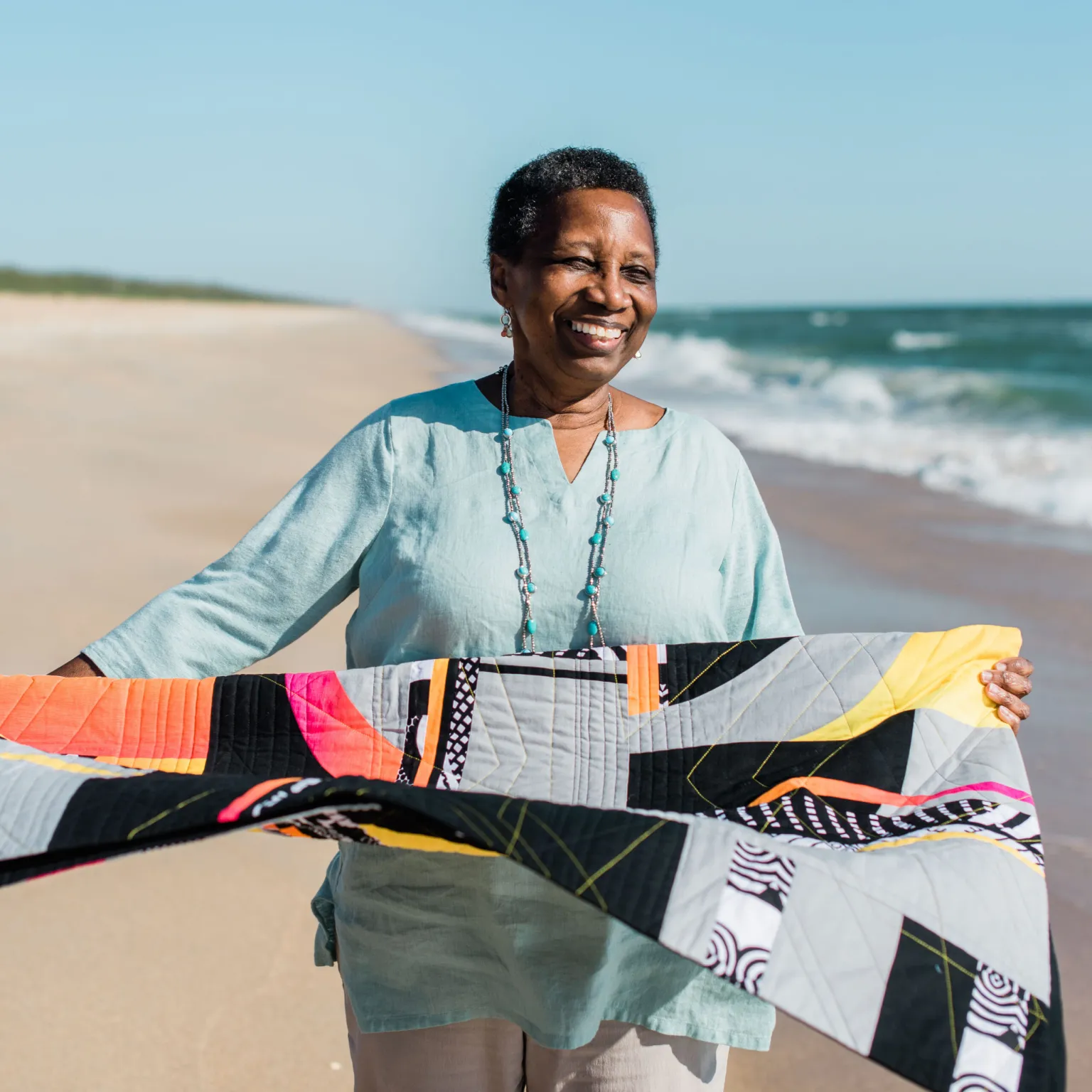
The quilting community lost a bright light this month. Artist Carole Lyles Shaw passed away on August 4, 2024. Carole was a vibrant modern quilter and a beloved teacher and community leader. She was an inspiring role model to so many quilters and did an excellent job of documenting her work, her process, and her life. Carole was a longtime Quilt Alliance member who participated in many of our projects. Volunteer Karen Musgrave interviewed Carole for the Quilters’ Save Our Stories (QSOS) oral history project in 2009. She was interviewed again by QA Project Manager Emma Parker in 2023. https://youtu.be/ryCAMotosts?feature=shared https://youtu.be/Nq1a8qJuo34?si=MEaXAEYsrPBF73A5 In 2019 Carole spoke to Frances O’Roark Dowell and led viewers on a tour of her studio for the QA’s StoryBee web show. https://youtu.be/ejISlsjjGT4 Carole was a tech-savvy creator and recorded a Go Tell It video last year about a memorial quilt she made in tribute to her aunt Dorothy. https://youtu.be/G9zZ7KnD430?feature=shared We welcome your remembrances of Carole on this post.  …

Tips for Labeling Your Quilts

From Dee Winter: I belong to a small group that are making some charity items. One of our member’s mother was a prolific piecer. Not so good on the finishing. So we are finishing them, mostly tying, some long armed by friends, and we are going to donate them to the emergency family shelter. The label we are using has Pieced by (her name) and finished by the Sew and Sews. Gives her credit for her part, some for us. None of her chidren wanted any of them until her daughter offered them to us. They are now doing their own finishing.
From Dr. Laura Guertin: Excerpt from Laura’s blog post about this challenge: For this July Challenge, I’m reflecting upon these prior challenges and how I’d like some of my quilts to be remember in the future. I decided to generate fabric labels (printed by Spoonflower.com) for each of the 19 quilts in myStories from the South Atlantic Oceanquilt collection. These quilts mean alot to me as a scientist and a science communicator, so I want to go back and add more to the back of each one. I’ve ordered the labels to be printed on swatches and am waiting for them to arrive. Here is what they will look like, which will supplement my hand-signed/dated/numbered information that already exists on the back.  
[et_pb_column type=”1_3″ _builder_version=”4.27.0″ _module_preset=”default”…

What is Quilters Take a Moment and Why Should You Register?

Quilters Take a Moment, the QA’s annual educational event is coming up on September 20 & 21 and this year all members can register for free! Just log into your membership portal and click on Register for Quilters Take a Moment. Non-members, you can purchase tickets ($60) or join and register for free via this form. This virtual event is designed to help you document the quilts you make and own. This is a unique event completely focused on tips and inspiration for documenting and preserving your personal quilt history. We often hear: What will happen to my quilts? Will my family and friends take care of them and know their value? The most important steps you can take to ensure your quilts are cared for and valued when you are no longer able to do so is to properly label and document them. Documenting a quilt underscores its value and importance and provides historical, technical, artistic, and maintenance information to the owner and anyone who comes across it. QTM Presentations will be aired live on September 20 & 21 and recorded for viewing through December 31, 2024. Sessions include: Telling the Story of Your Quilt Through Photography – Kitty Wilkin Video as a Tool for Documenting Your Quilts – Lyric Montgomery Kinard An Archive of Your Own: Using Spreadsheets to Describe and Catalog Your Quilts – Rachel Ivy Clarke Documentation as Creative Practice – Hannah Parks Documenting Your Guild or Group – A’donna Richardson Sustainable Routines for Quilt Documentation – Jenni Grover Register for Quilters Take a Moment today! 
[et_pb_image src=”https://quiltalliance.org/wp-content/uploads/2024/08/Adonna-in-action.jpg” title_text=”Adonna in action” _builder_version=”4.27.0″ _module_preset=”default”…

Announcing a New Membership Benefit

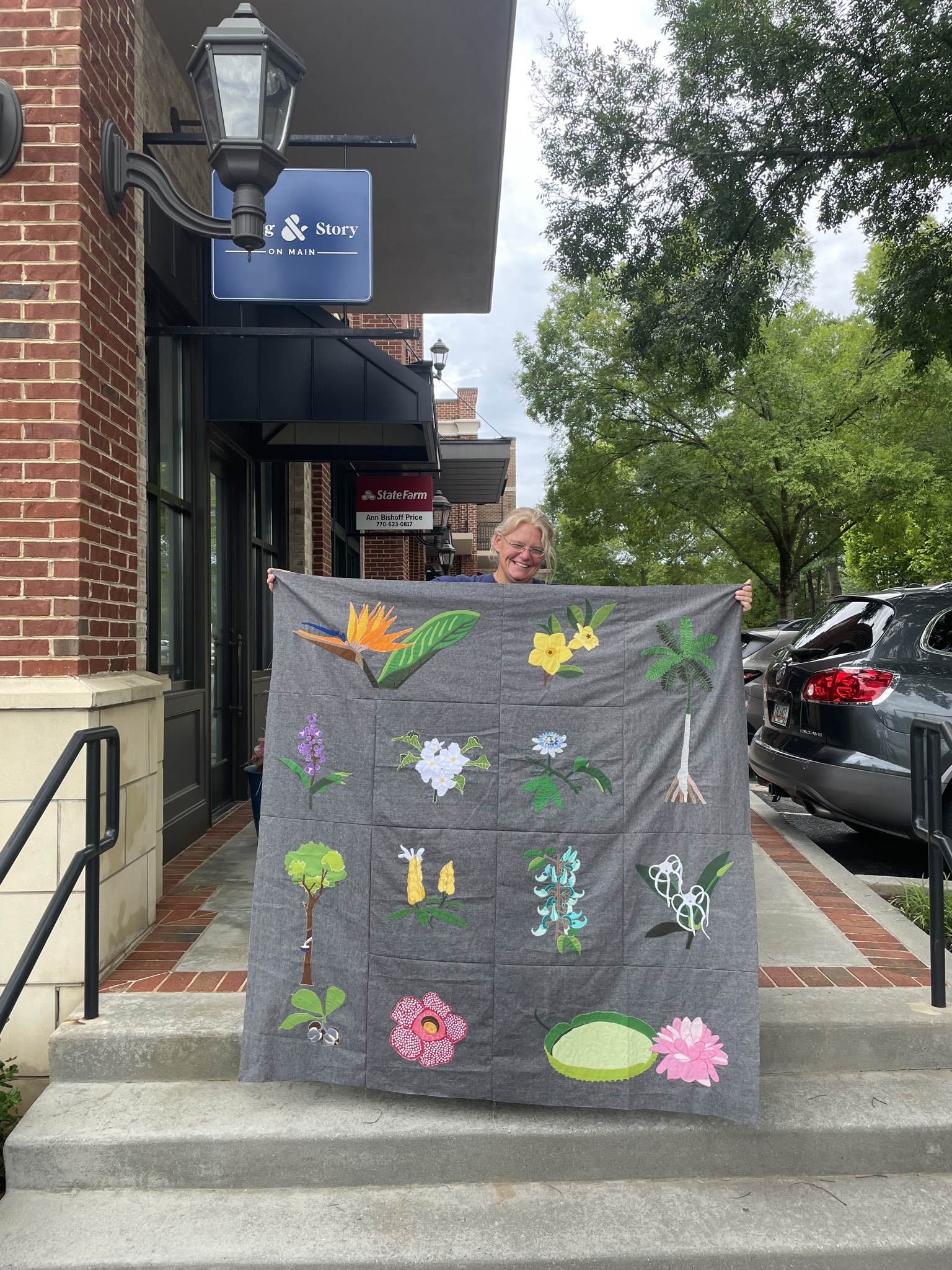
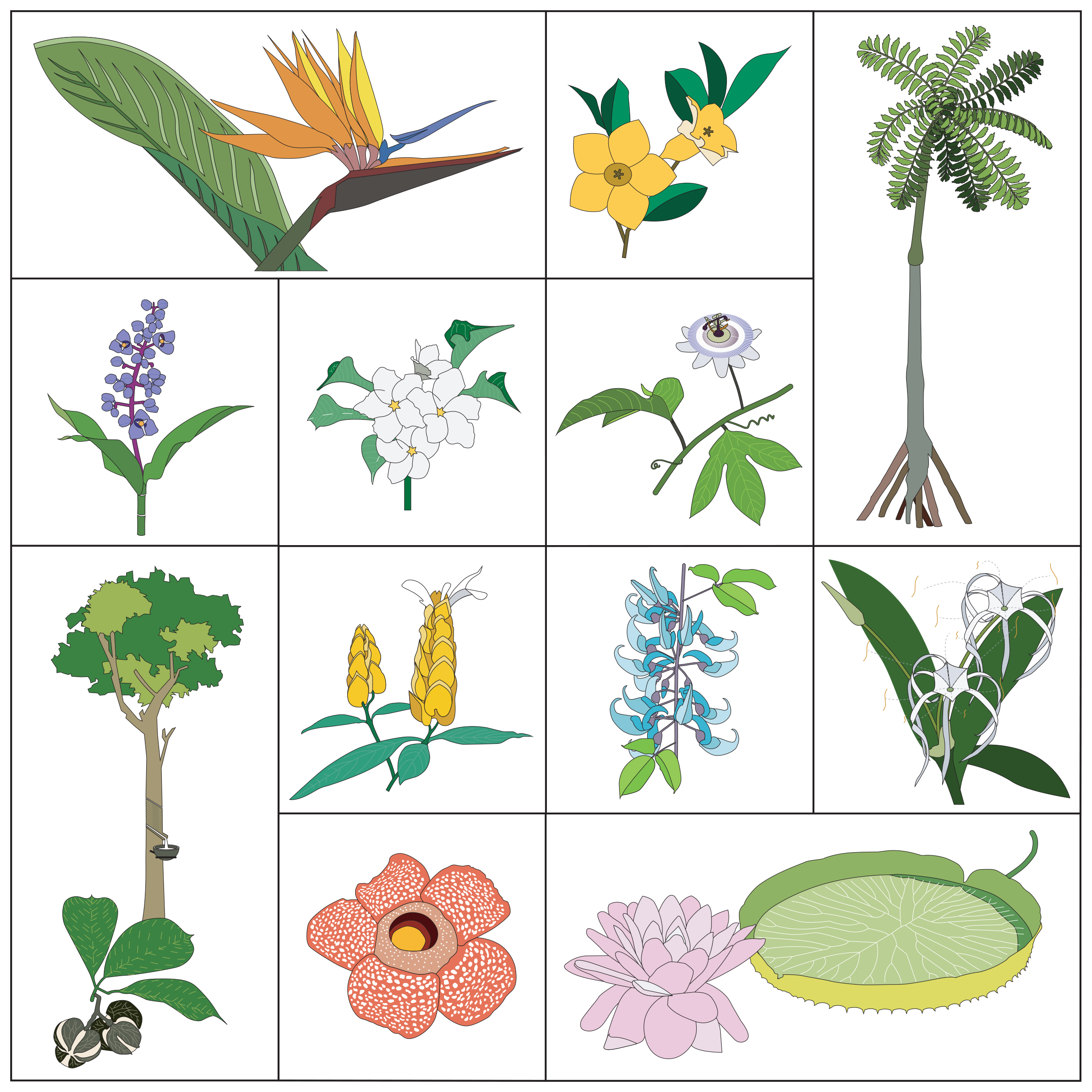
Announcing a New Membership Benefit from Aurifil! Last year QA board co-president, quilter, curator and writer Laura Hopper created a Birthday Block of the Month featuring blocks by nine incredible designers to celebrate our 30th anniversary. It was a huge hit and helped us grow our membership by 32%. This year, co-president Bradley Mitchell and his generous and creative colleagues at Aurifil are gifting our members another Block of the Month! Starting in May we will begin sharing the Aurifil Flora Block of the Month with our members. The blocks, instructions and any supplemental resources will be shared via this newsletter and your membership portal. So if you haven’t yet logged in to your portal, give it a try soon. There are twelve months/blocks in the Flora series and we will keep the BOM archived in your membership portal for at least six months after the last block is released in April 2025.  Not a member yet? Join today! The last few years have been a wild ride. We’ve had to stop, adjust, reimagine, reroute, redo.  It’s been a challenge, but in some ways, all of the changes have helped us to slow down, to appreciate the beauty that lives right in front of us, and to experience the small things with a more grateful heart. Perhaps it manifests as an unexpected cool breeze on a hot summer day or the sound of a bird chirping outside your window. Maybe it’s a favorite hike just outside the city or maybe it’s a burst of color that provides the perfect distraction on your Sunday morning stroll. A tree, a flower, a bloom, a petal… the sense of calm and renewal that nature provides is often overlooked, but this year, we are choosing to bring that natural beauty to the forefront.  Introducing Flora, a 12 month Botanical Appliqué BOM designed by Aurifil’s Kate Brennan in partnership with graphic designer Christina Weisbard. The colors and design of Flora were drawn from 12 breathtaking rainforest plants from the Amazon Water Lily and the Bird of Paradise to the Jade Vine and the Spider Lily. The monthly blocks,  allow each of the 12 featured plants to take center stage.  While instructions are given for fusible appliqué, a variety of methods of appliqué and finishing will be highlighted. Depending on the month, raw blocks are 12-1/2″ x 12-1/2” or 12-1/2” x 24-1/2”. They can be finished into individual minis or collected to create a finished 48” x 48” quilt.
[et_pb_image src=”https://quiltalliance.org/wp-content/uploads/2024/04/FloraQuiltTop.jpg” title_text=”FloraQuiltTop” _builder_version=”4.24.3″ _module_preset=”default”…

Block #9 – Georgia Bonesteel

Birthday Block of the Month #9: Georgia Bonesteel
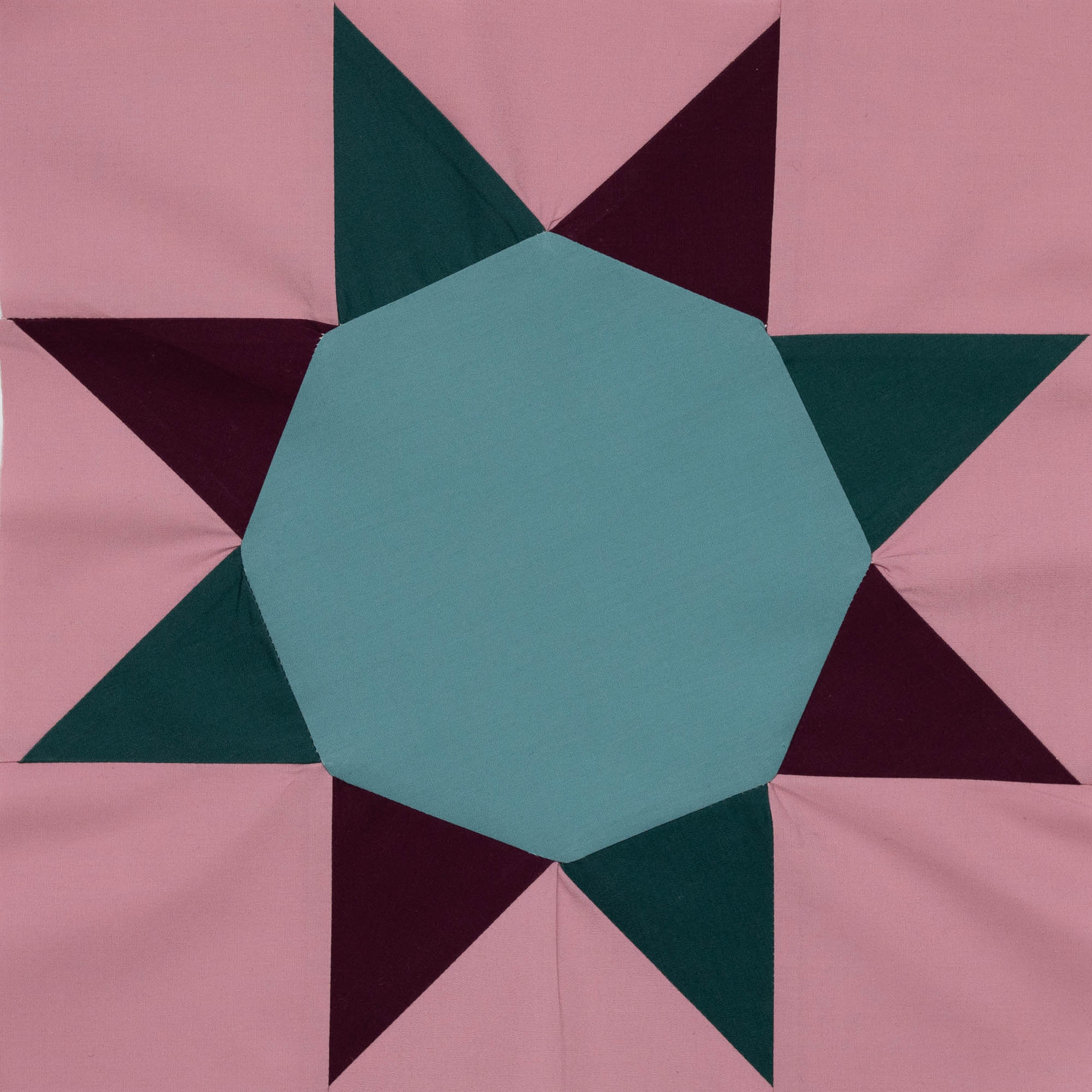
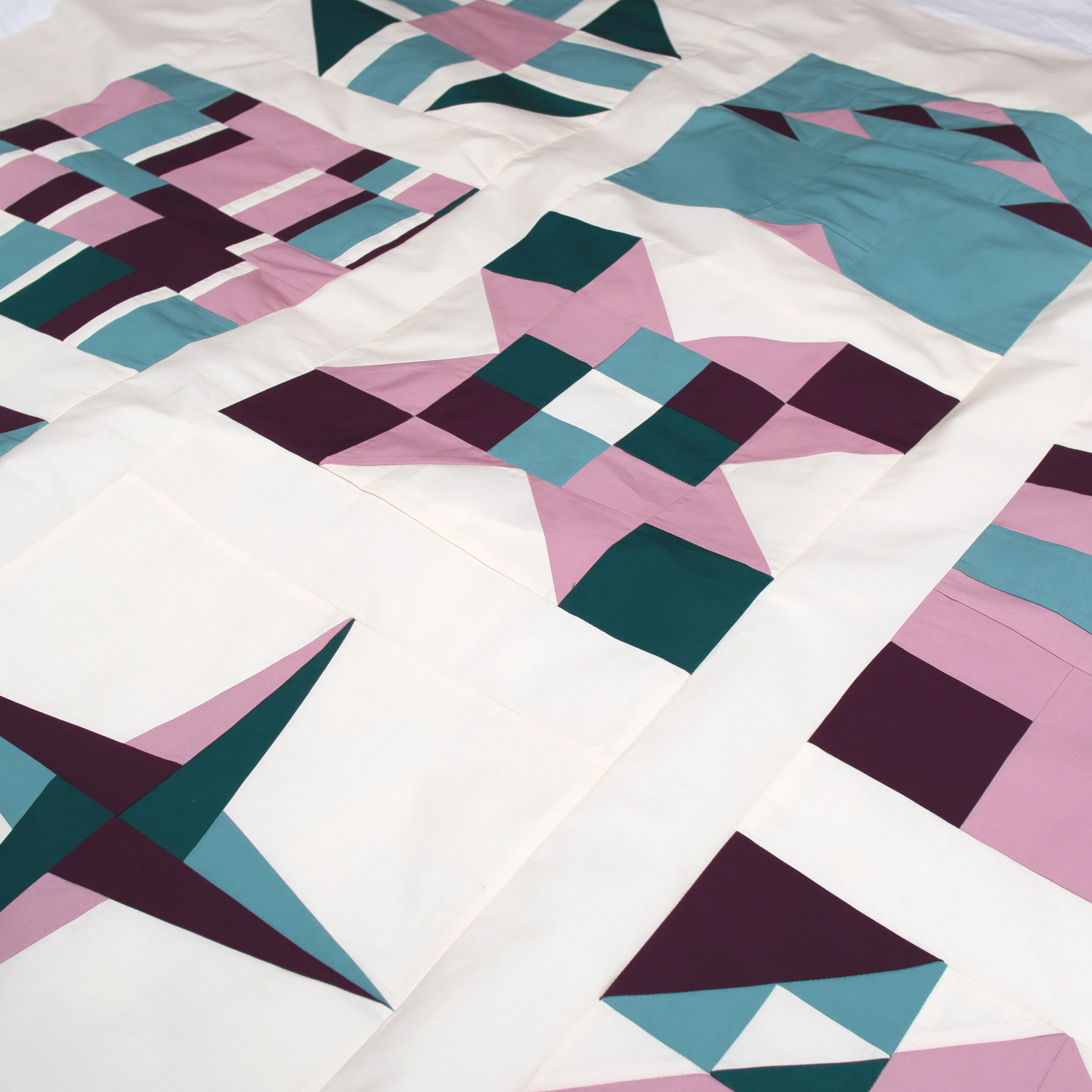
It’s here! It’s here! The final block of the Quilt Alliance Birthday Block of the Month! After nine fun months, we are nearing the end of our quilt. After making the ninth block, all you’ll need to do is assemble the quilt top and you’re done! Quilting icon Georgia Bonesteel designed this month’s block, which we saved for last because it will utilize some new techniques like piecing with templates, floating seams, piecing triangles, and working from the outside in. While it looks complex, Georgia’s designs have a way of being simple and enjoyable. The block is as charming as she is! 
Meet Georgia Since 1978 when her television program, Lap Quilting with Georgia Bonesteel, debuted on North Carolina Public Television, Georgia has been one of the most watched and notable teachers in quilting.  Her methods and designs respect traditions and push quilters to explore creativity. Georgia’s most recent book, Scrap Happy Quilts is both a memoir of her life in quilts and new projects and patterns for quilters of all skills. Today, Georgia lives a busy semi-retired life volunteering her master gardening skills to the community and her own garden, while continuing to create quilt projects on a daily basis. You can visit her wonderful website or follow her on Facebook.  Georgia recorded a fabulous video talking about her connection to this particular quilt block and even showing a way that you can self-draft the templates for the block yourself. Watch the video below — you’ll love it! Quilters today (like myself) may not be accustomed to quilting this way. It’s wonderful and fascinating to watch!
Georgia’s Top BOM Tips Georgia is a quilting trailblazer and full of piecing wisdom, including techniques that were completely new to me! Here are her best tips for making this block.
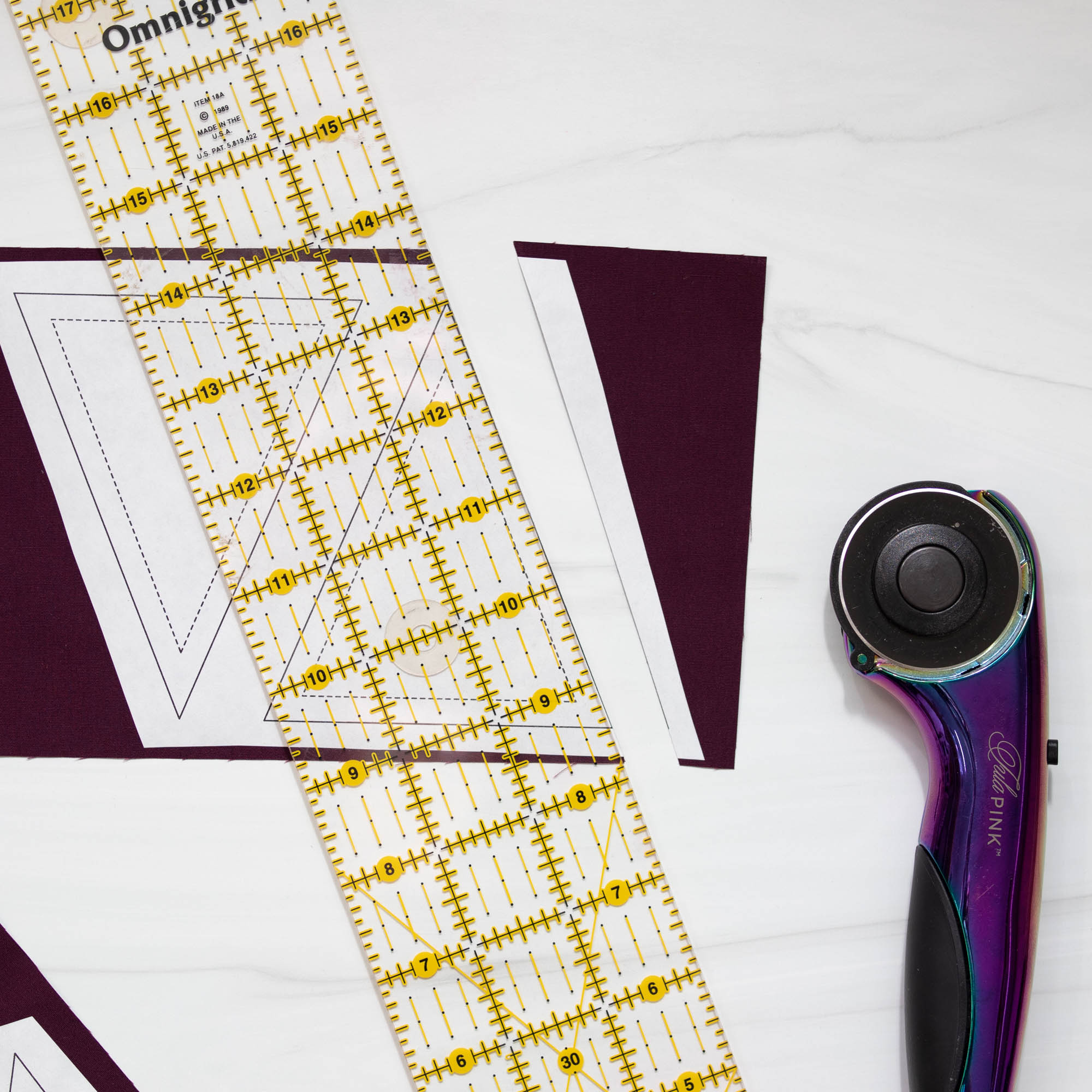
Georgia’s Tip 1: Use Freezer Paper  To get accurate templates for the central octagon and star unit triangles, freezer paper is the way to go. Cut the freezer paper templates out with a generous amount of space around them as shown above. Press them to the fabric. Using a ruler and rotary cutter, cut along the solid outer lines of the templates. The dashed inner lines show the seam allowance. An added tip is to use a rotary cutter with a dull blade that you plan to replace, or a rotary cutter dedicated to paper so you don’t dull the blade quickly.
Georgia’s Tip 2: Learn to Draft a Block You can use the templates and measurements in this month’s PDF to complete the block, but as Georgia says, you’re not a real quilter until you can make a block from scratch. Learn her block drafting method in her video included in this blog post!
Georgia’s Tip 3: Create 90 degree angles  When creating the star units, always match up the 45°angles to create 90° angles. This allows you to sew the triangle units to the corner squares. Pretty clever!
Quilt Alliance BOM Tips Each month, we share our best tips for making the Birthday Block of the Month as well. These tips come to you from our Birthday Block of the Month host, Quilt Alliance co-president Laura Hopper!
Play With Color Did you notice that I used a different color for my center octagon than appears in the PDF pattern? Instead of Color 3, the neutral color, I used Color 2. That’s because during a previous month of the BOM, I made a cutting error and ran out of Color 3 fabric. Oops! It happens to the best of us.  Luckily with this block, you have the opportunity to play with color. Use Color 3, or pull in your favorite color from the quilt. Or you could use the fabric you’ll use for the backing or binding! How about using a special fabric that you fussy cut, just like Georgia did in her version of the block shown below? There are so many options! Don’t let the color guide limit you — it’s your quilt so have fun!
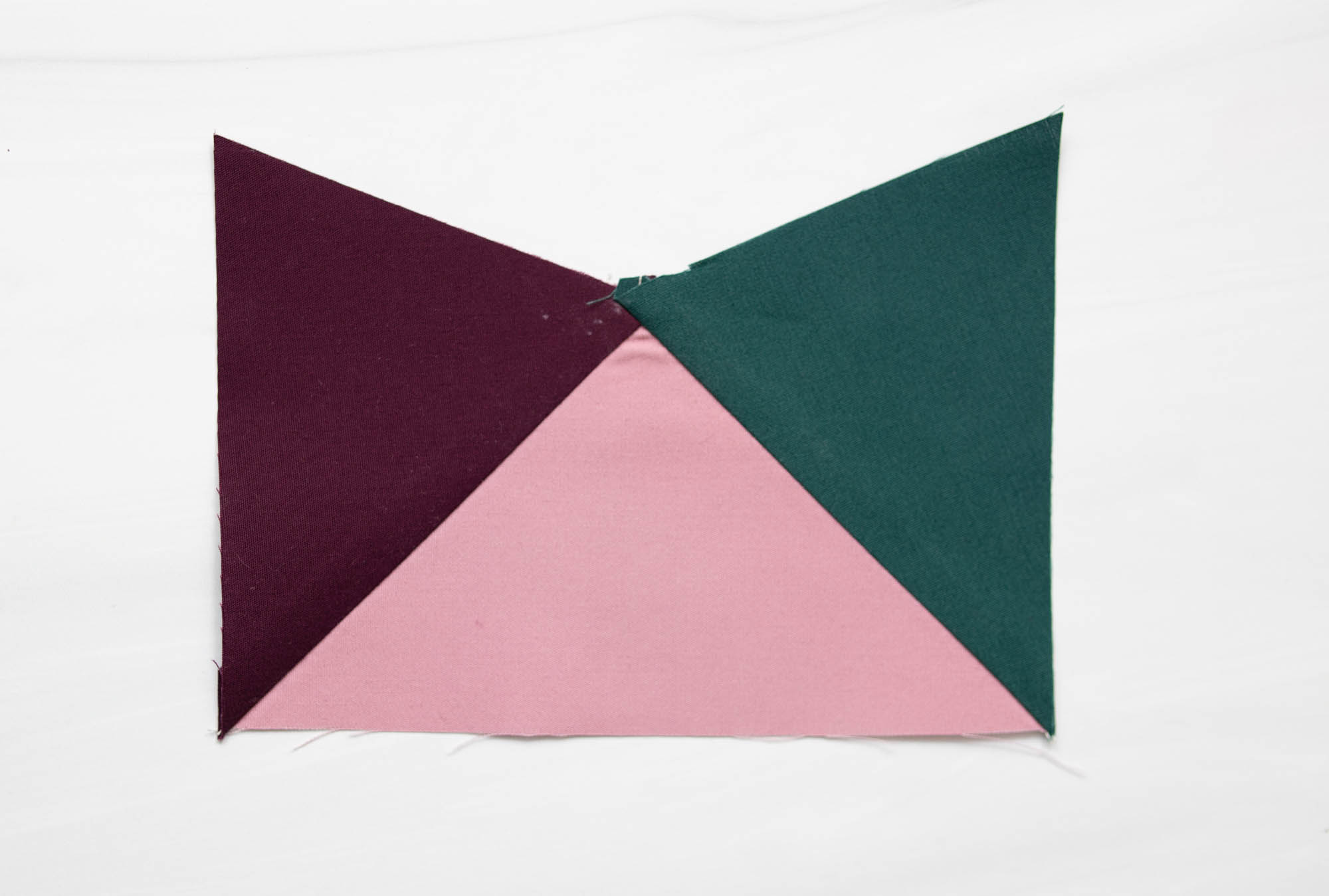
Align Star Units Correctly! Speaking of oops, notice something wrong with the star unit above? Yep, I made a mistake. Did I mention that it happens to the best of us?  As Georgia said in her tips, the 45° angles of these triangles should be aligned. However, when I picked up my green fabric, I didn’t do that. I accidentally sewed the 45° angle to the center of the pink fabric, instead of to the 45° angle of the pink fabric. That doesn’t look like a 90° angle!   Thank goodness for seam rippers because if you make the same mistake I did, all you need to do is rip that seam out and sew the triangle on the other way. Easy breezy!
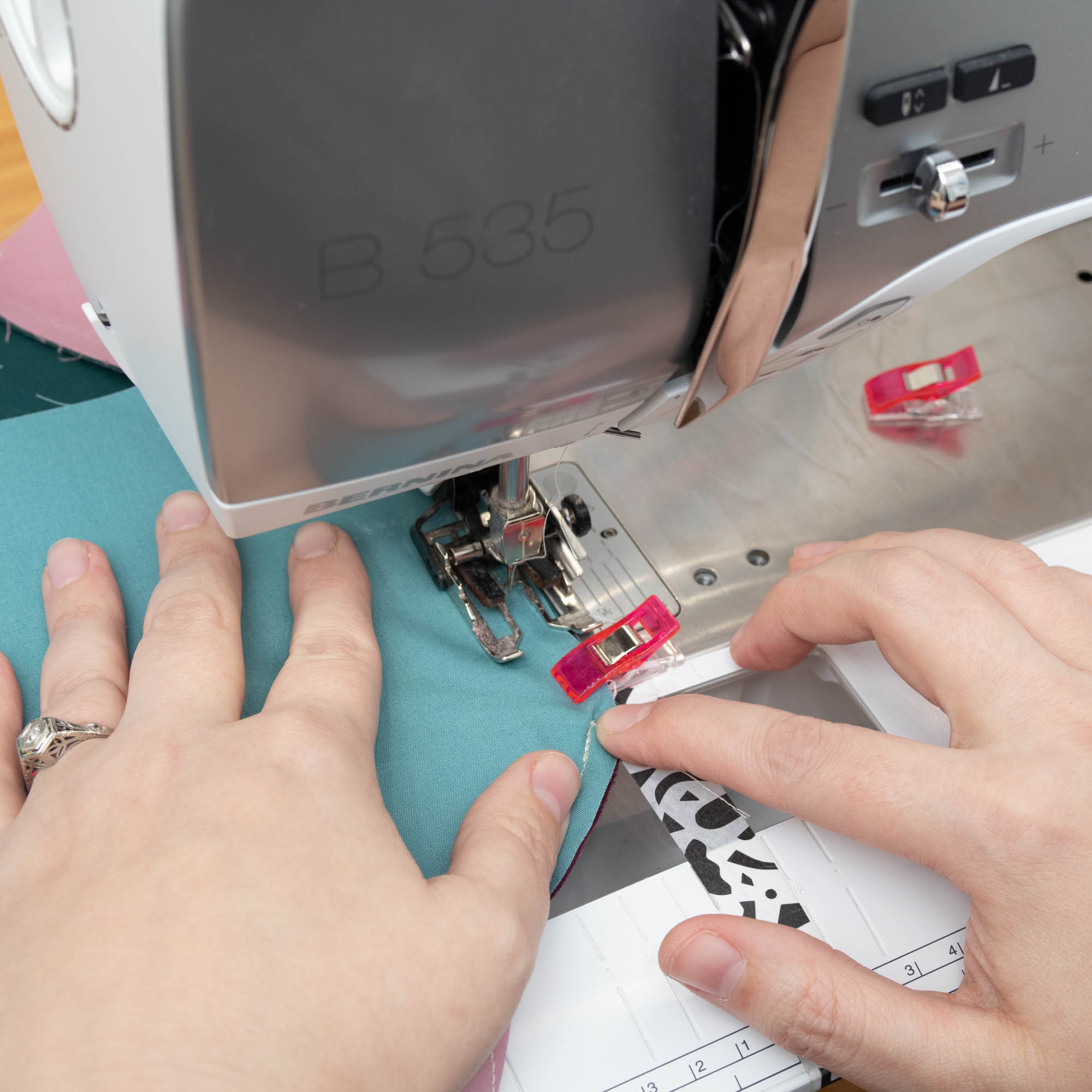
Manipulate Fabric for the Octagon Have you ever made a block from the outside in? I haven’t! This was a completely new technique for me. And I learned a few things while doing it.  One useful tip is that to avoid puckers, make sure that the fabric is completely flat. This is a bit hard to do at first! I found that I needed to manipulate the fabric to get the octagon to lay flat on the outer star ring. Here are some pictures that might help! It’s very hard to explain but trust me when I say it’s something that you will get once you get to this step.
Accept Mistakes… or Redo Them It’s possible that with all the fabric manipulation in the world, you may still get puckers in your block. It happened to me!  When I saw my pucker, I had a choice to make. I could either rip out the seam and redo it to try and avoid the pucker. Or I could accept that I was learning a new technique and the results were imperfect. If you’ve been following this BOM for all nine months, you’ve probably noticed that I consider myself a precision quilter. I love when points line up perfectly. Making a perfect block is a wonderful feeling…but so is learning a new technique. If there’s one lesson I can leave you with at the end of this BOM, it’s that the only thing you should compare your latest quilt to is the last quilt you made. I help beginner quilters learn new techniques every day, and it’s very easy for a new quilter to compare themselves to someone who has been quilting for decades. You know what happens next? The new quilter gets discouraged. They think their quilts will never look that good. And they give up. For me, quilting is about seeing my personal growth. The points on my early quilts don’t match well, but now I know so many of the tricks that I’ve shared with you along this journey! And that’s how I approached this block. I learned new techniques from Georgia, who has been quilting since before I was born, and this is the first time I ever did them. I left my puckers in as a reminder that I’m always growing. And so that in ten more years, once I’ve practiced her techniques even more, I can see how much I’ve grown. I hope you all share the same outlook on quilting, growth, and learning!
Quilt Documentation Tip Follow Georgia’s lead as one of the most important figures in recent quilting history and document what you do! As a television personality, lots of Georgia’s quilting has been documented on film. Making a video about your blocks or finished quilts is a great way to preserve your story! Learn more about how in the next blog post, focused on documenting your completed quilt.
Thank You For Sewing Along! In the next blog post, you’ll learn how to document your quilt, get links to simple Quilt Alliance documentation steps, and get a preview of the exciting programming we have planned for 2024. It’s been a delight to create these blocks with you all — now let’s finish this quilt!  Be sure to tag @quiltalliance on Instagram with your block photos this month, and use the hashtag #QuiltAllianceBOM. And leave any questions about this month’s block in the comments…

Block #8 – Carole Lyles Shaw

Birthday Block of the Month #8: Carole Lyles Shaw
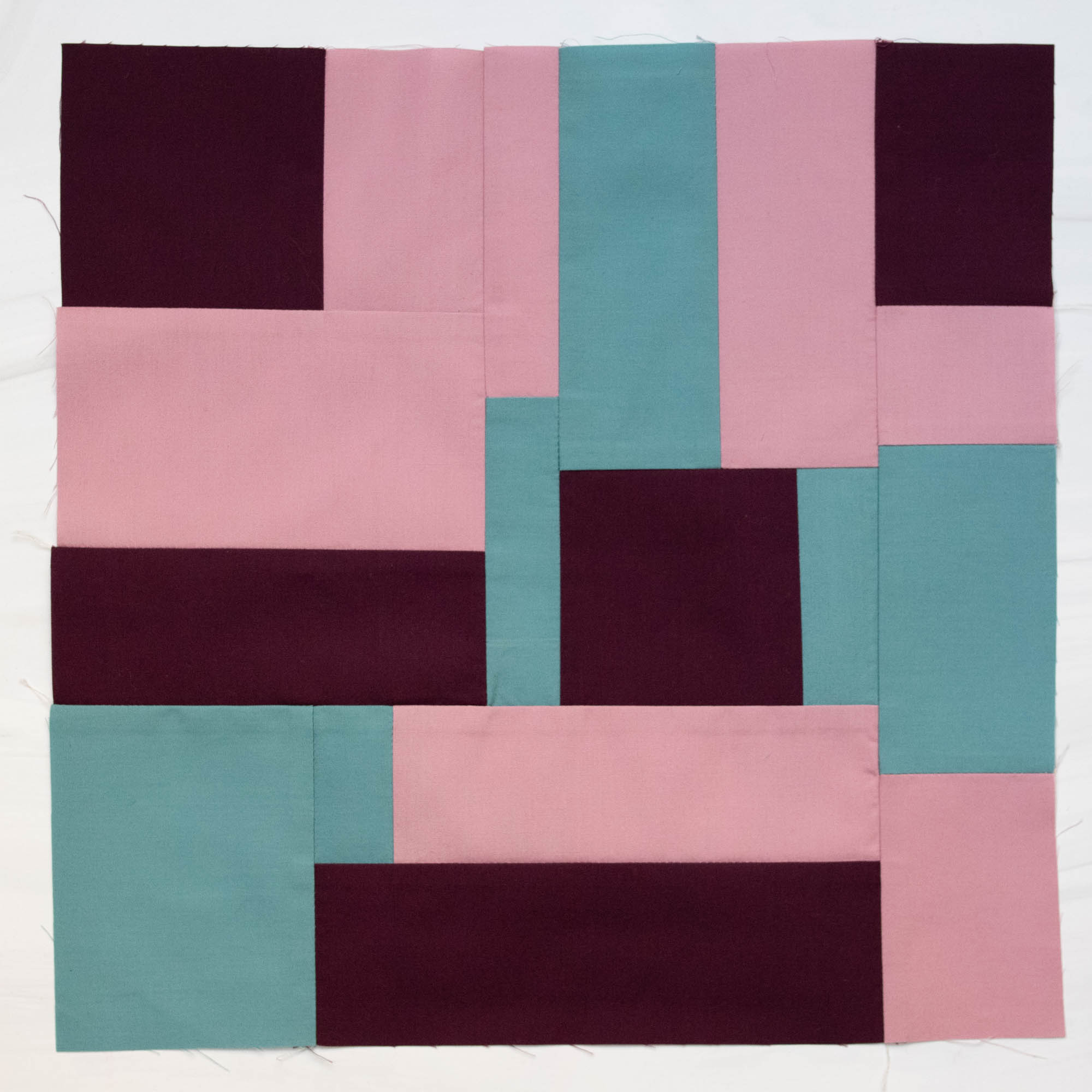
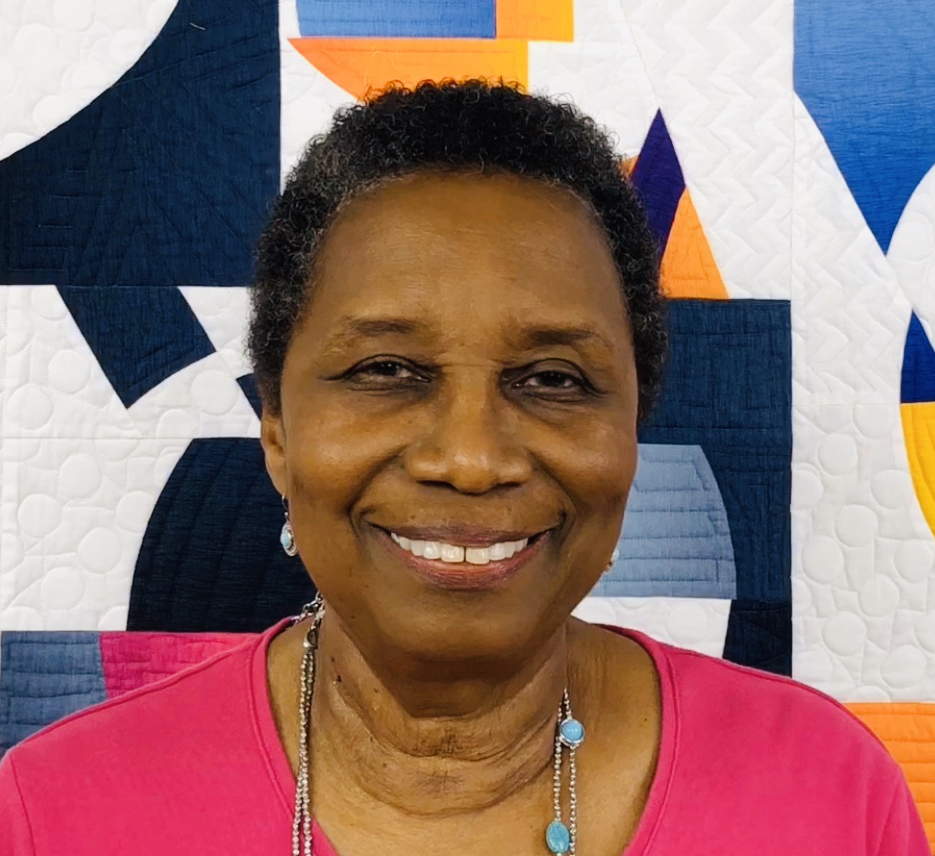
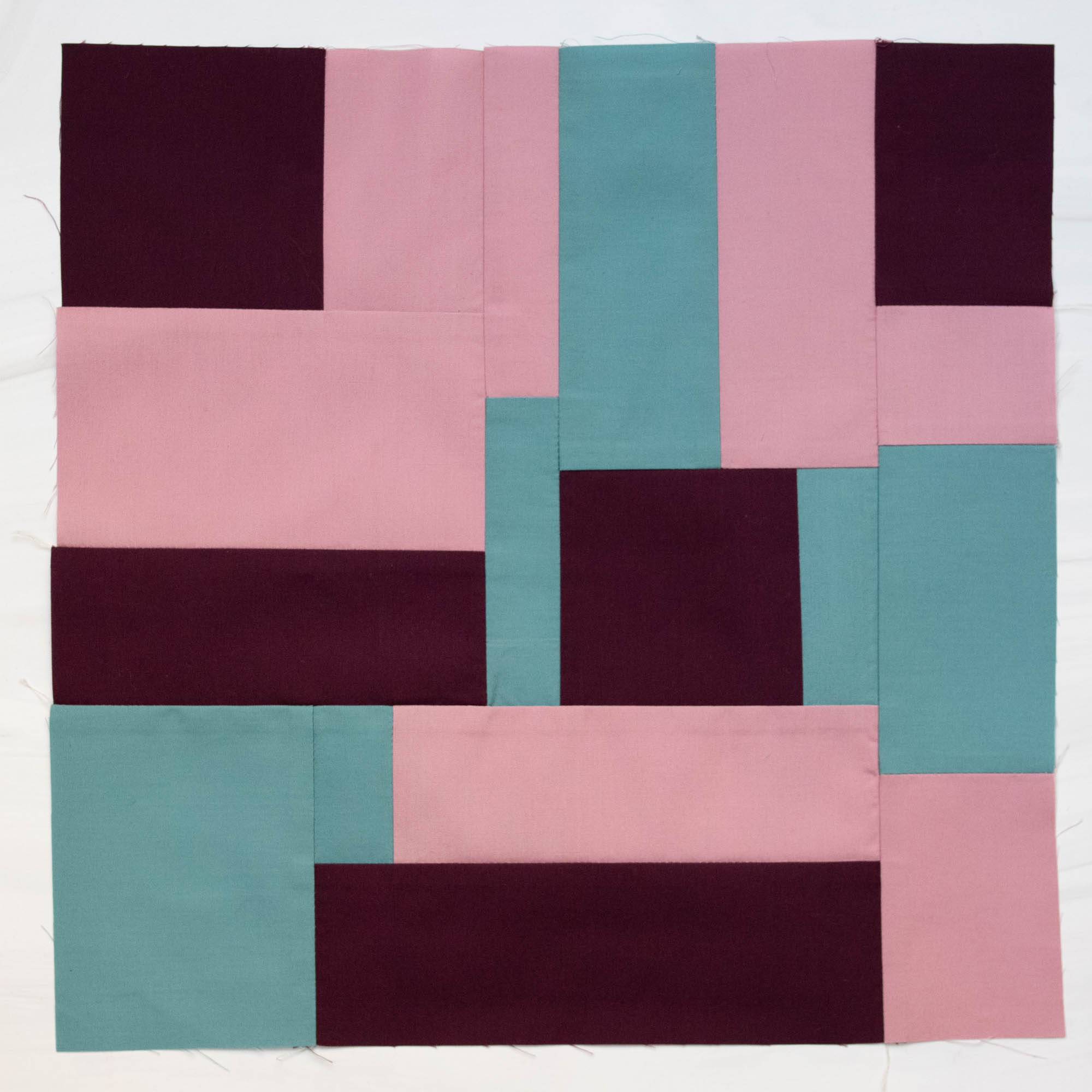
Only one month to go! For Month 8 of the Quilt Alliance’s Birthday Block of the Month, we have a delightfully simple block that creates an illusion of complexity. That’s just one of the many things that I admire about Carole Lyles Shaw’s designs. As a modern quilter, Carole Lyles Shaw beautifully explores movement in quilts. For her Quilt Alliance design, she created a block that uses only squares and rectangles but gives the illusion of complex shapes. And best of all, it only takes about a half hour to make!
Meet Carole Carole Lyles Shaw is an award-winning modern quilter, fiber artist, and workshop teacher. Her passion is to inspire quilters to explore the fun and creative freedom in making modern quilts. Carole taught herself to quilt so that she could make quilts for her wonderful nieces and nephews. She is drawn to modern quilting because it focuses on bringing individualism and free expression to the quilts made today. Carole teaches workshops to help quilters confidently and joyfully dive into modern quilting. Her students say that her workshops inspire them to let their creative voices shine. You can follow her on Instagram or on her website.
Carole’s Top BOM Tips Each month, our Birthday Block of the Month Designers share their top tips for making the block they designed. Here are three great tips for making this block straight from Carole herself. 
Carole’s Tip 1: Sew With an Accurate Quarter Inch Seam Accuracy is important in this month’s quilt block to maintain the illusion of complex shapes. Also, because the block is made of four distinct units (described in the PDF pattern), if your seam allowance is too wide or thin, the units may not line up. If you’re concerned about the accuracy of your seam allowance, use scrap fabric to test and measure a few seams before beginning.
Carole’s Tip 2: Press With a Dry Iron By now, you know that I (Laura) recommend a tailor’s clapper basically every month. I love tailor’s clappers! They work so wonderfully to keep seams flat. However, using a tailor’s clapper requires using steam and there’s a possibility that steam can distort fabric. If that happens, the illusion of this block may also be distorted. Instead of using steam and a tailor’s clapper this month, use a dry iron.
Quilt Alliance BOM Tips Each month, we share our best tips for making the Birthday Block of the Month as well. These tips come to you from our Birthday Block of the Month host, Quilt Alliance co-president Laura Hopper!  Here are some reasons I love this block: it only takes about a half an hour to make, the only cutting you’ll do is when you follow the initial cutting instructions, and it looks much harder than it is. That’s the beauty of Carole’s design — a beginner can make it, but it looks advanced.
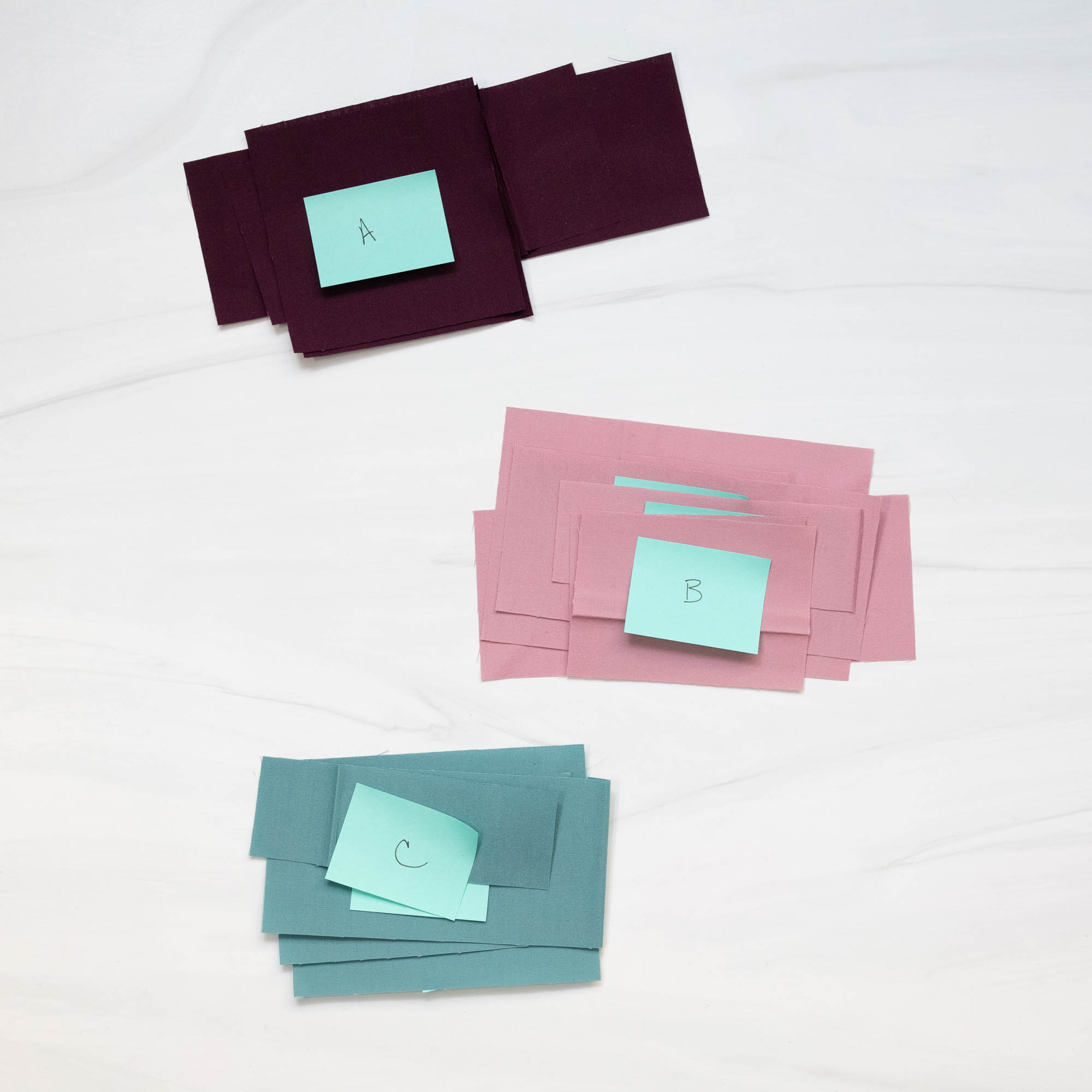
Stay Organized The hardest part of this block is keeping all of the differently-sized pieces organized. The PDF pattern will be a big help, but it’s not the only thing you should do, I recommend using sticky notes or scraps of paper to label each cut piece of fabric to keep track of them. Also important — keep those sticky notes on the cut fabric pieces until they are sewn together, not just while they are in a pile waiting to be put together. 
Check the PDF diagrams often! I’m sure you check the PDFs often each month, but for this one, it’s extra important. It can be easy to accidentally piece fabric together in the wrong order. Or when you complete the four units, you may sew a unit upside down. Oops! Avoid having to use that trusty seam ripper and make sure you’re checking the PDF diagrams at every step.
Let Loose and Have Fun You don’t have to overthink with this block. You don’t have any complicated techniques to worry about. This is truly an excuse to sit back, relax, and enjoy yourself. Have a blast!
See You in December for Month Nine! Thank you so much to everyone who has participated in the Quilt Alliance’s Birthday Block of the Month so far! Our designer for next month, the last block we’re making together, is the iconic Georgia Bonesteel! Next month, we will also share a blog post and PDF about how to finish the full Block of the Month lap quilt.  Be sure to tag @quiltalliance and @carole_lylesshaw on Instagram with your block photos this month, and use the hashtag #QuiltAllianceBOM. And leave any questions about this month’s block in the comments…